
Digital Worlds and Data | Ngā Ao Matihiko
Build and critique digital systems and data
Every chart and every screen is a design choice — code and interfaces shape what counts as evidence.
Wero — the big question
How do we design, build, and critically evaluate digital systems and the data they produce?
What you will investigate
Curriculum strands
- Technology Yr 9–10: Computer Science — algorithms, programming, modularity
- Technology Yr 9–10: Digital Technologies — interfaces, HCI, data lifecycle
Technology strands
- Computer Science
- Digital Technologies
Studies in this world
See all studies →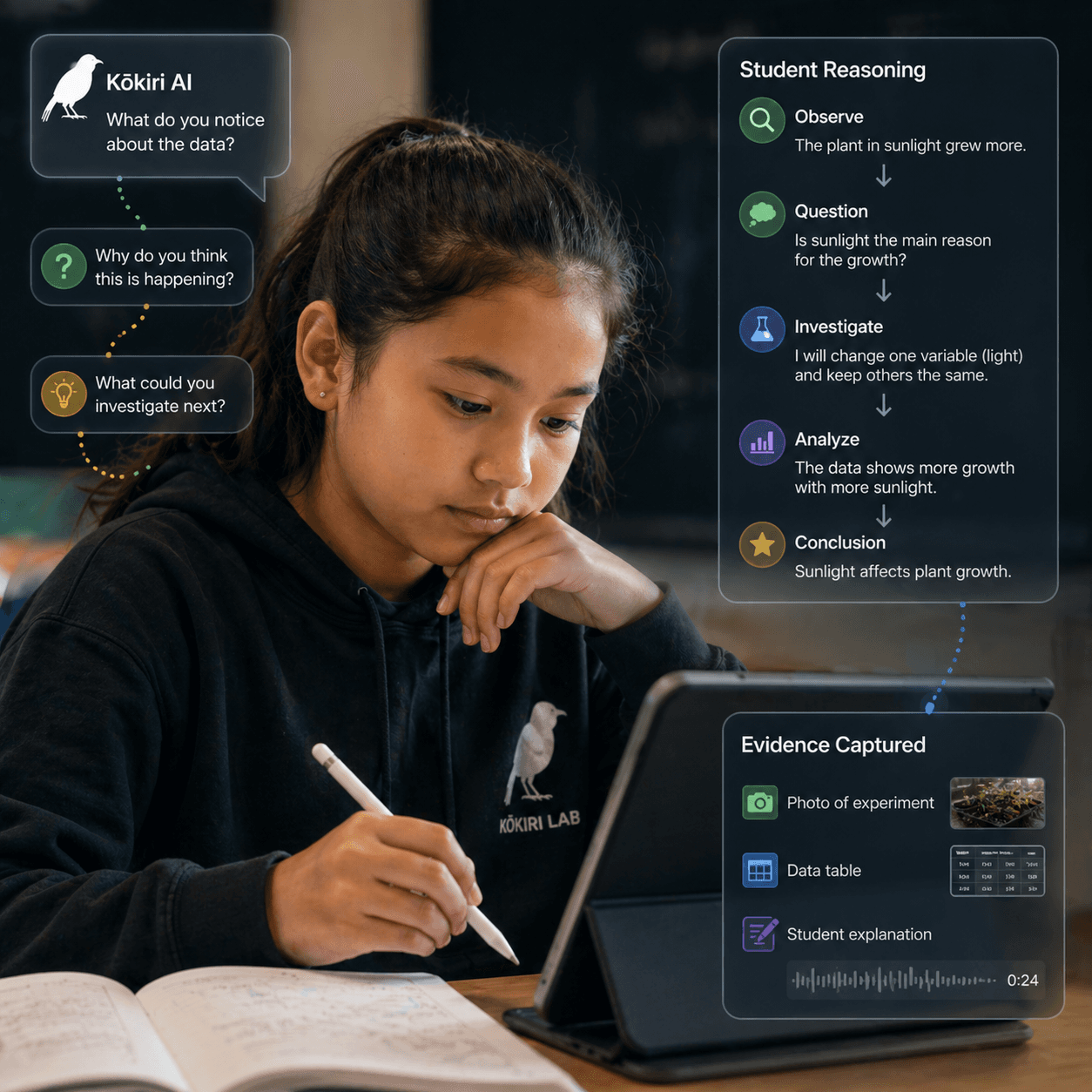
Algorithm and Programming Challenge
An algorithm is a recipe a computer follows — if the recipe is wrong, every graph built from it is wrong too.
Science depends on trustworthy code — students who can design, test, and debug algorithms strengthen every sensor inquiry on the platform.
You will design, code, test, and visualise science data — documenting each step so others can trust your process.
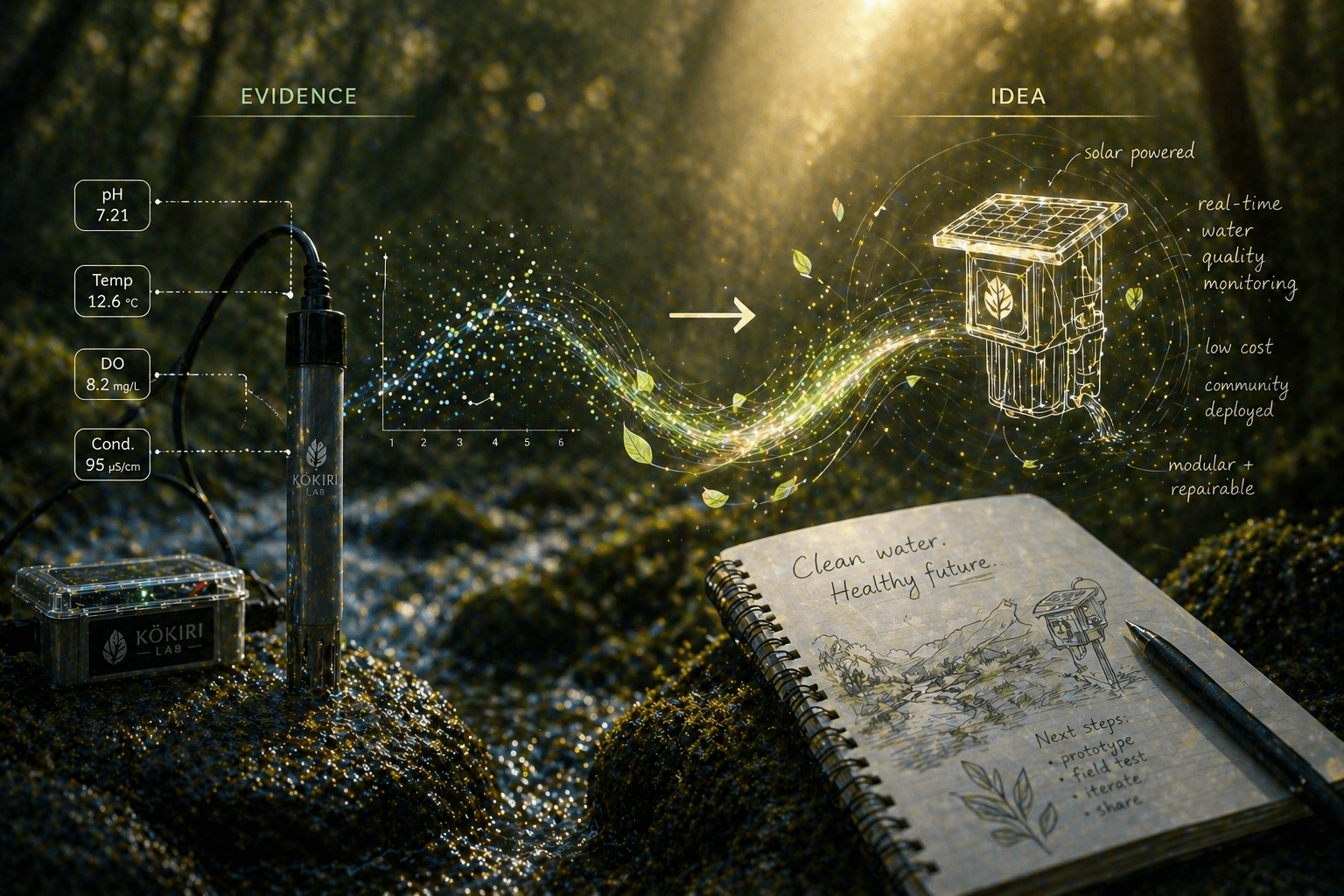
Digital Interface Design and Accessibility
A brilliant dataset fails if nobody can read the screen — design choices include or exclude people.
Science platforms only serve communities when interfaces are readable, accessible, and honest about data limits.
You will audit, prototype, test, and revise a simple interface — arguing for accessibility with evidence.
What you might make
Maker pathways connect your evidence to a real prototype or build.
- Arduino data logger scaffoldArduino
Prototype timed captures tied to reliability evidence
If jitter or sampling gaps blurred your inference, scripted intervals target that gap.
- Data story packageData product
Pair charts with explicit limitations sourced from inquiry logs
Lets peers see which rows of evidence carry the headline takeaway.