
Kōkiri Lab
← All inquiry worlds

Ecological Futures | Ngā Āpōpō o te Taiao

Design and monitor healthier ecosystems

Living systems respond when one variable shifts. Learn to read those shifts with evidence.

Wero — the big question

How can communities design and monitor healthier ecosystems?

What you will investigate

Curriculum strands

  • Biological Science Yr 9: Ecosystems, biotic/abiotic factors, food webs, ngā tohu o te taiao
  • Biological Science Yr 10: Environmental impacts, biodiversity loss, restoration
  • Physical Science Yr 9: Matter — water chemistry in living systems
  • Technology Yr 9–10: Materials & Processing, Electronics & Mechatronics, Digital Technologies, Computer Science

Technology strands

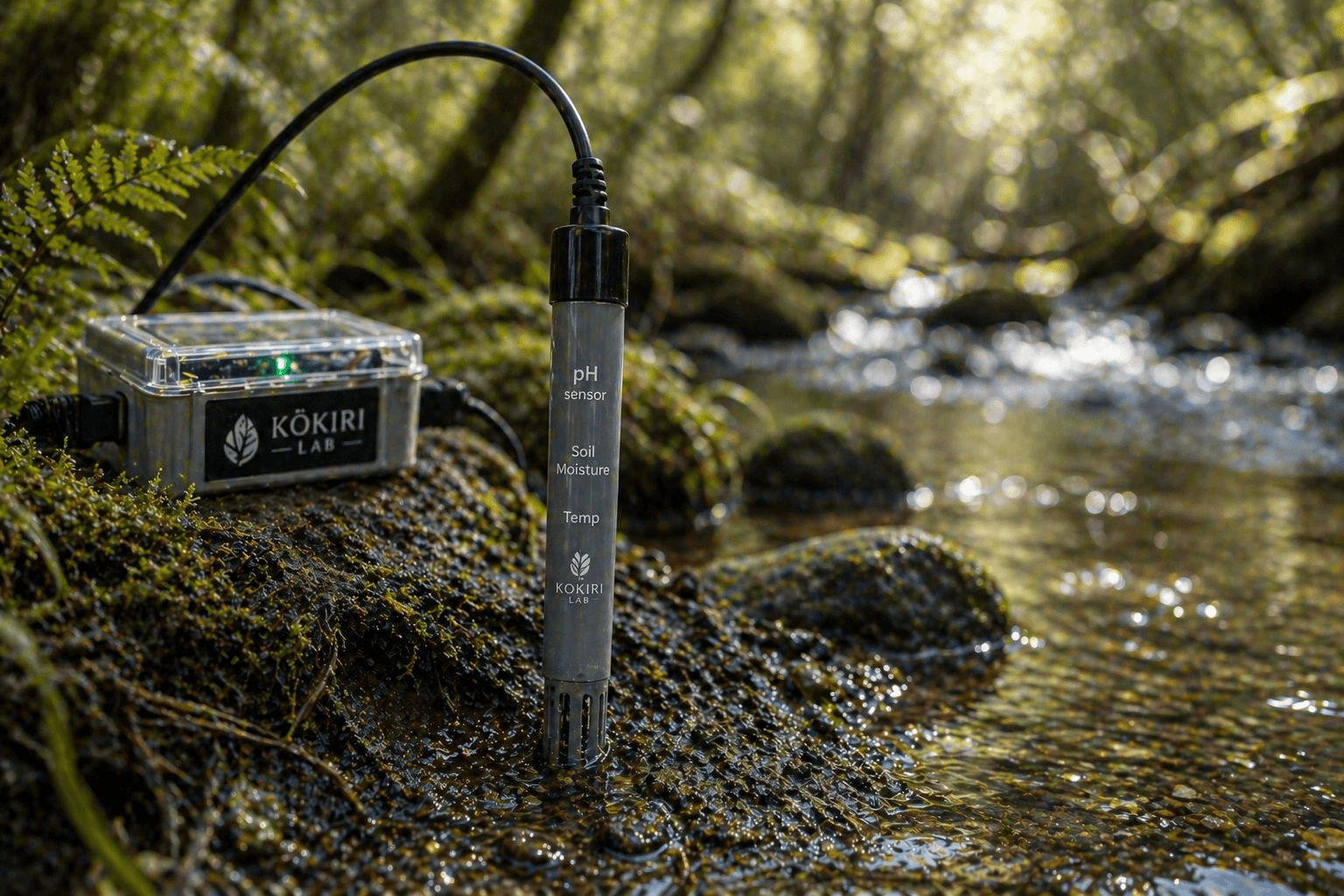
  • Electronics and Mechatronics — sensor systems
  • Digital Technologies — data logging and dashboards
  • Computer Science — AI classification and critique
  • Materials and Processing — habitat and trap design
2–3 termsSupport level: Teacher support when you need it

Studies in this world

See all studies →
developing812 sessions

Aquaponics Water Quality Investigation

Something is shifting in the AwaKai tank. The fish are quieter than last week and one plant is yellowing. What does the water know?

Aquaponics links water chemistry to living systems — data communities use to monitor sustainable food and ecosystem health.

You will track real water-quality readings in a living aquaponics system over several weeks and use what you see to explain a small mystery in the tank.

Venture/WeroObserve/KiteInfer/Whakaaro
developing610 sessions

Aquaponics Plant Growth and Nutrient Cycles

Two beds were planted on the same day. One is thriving. One is struggling. What does the water say about why?

Plant growth in aquaponics connects transport biology to sustainable kai systems communities are building across Aotearoa.

You will track plant growth in an aquaponics bed and connect it to the nutrient story the water is telling.

Observe/KiteInfer/WhakaaroCreate/Auaha
developing610 sessions

Light Trap Biodiversity Monitoring

After dark the kura grounds change. A small ultraviolet light could show you who is moving through your site.

Local biodiversity datasets help communities track ecological health and critique AI tools used for species identification.

You will run a MaramaTrap light trap at school over several nights and document the insects that visit.

Venture/WeroObserve/KiteInfer/WhakaaroEvaluate/Tohu
developing58 sessions

Insect Hotel Design and Biodiversity

Some corners of the school grounds are full of life. Others feel empty. Could a small structure change that?

Habitat design for pollinators and native invertebrates supports kaitiakitanga and measurable biodiversity recovery.

You will design and place an insect hotel in your school grounds and observe what visits over several weeks.

Observe/KiteCreate/AuahaEvaluate/Tohu

What this inquiry community is discovering

Patterns from guided studies in this world — useful ideas to test, not answers to copy.

seen across groups

pH dropped sharply after feeding

Multiple groups recorded pH drops of 0.3 to 0.7 units within two hours of feeding fish.

Evidence pattern

Across class logs, groups who measured before and after feeding frequently saw a short-term decrease in pH, followed by partial recovery later.

What it might mean: Fish waste and uneaten food may temporarily acidify the water, suggesting the system needs time to rebalance.

Try this next

Take pH readings before feeding, one hour after, and three hours after to map the full recovery curve.

early pattern

Dissolved oxygen fell on warm days

On days above 22 degrees Celsius, groups consistently recorded lower dissolved oxygen readings.

Evidence pattern

When temperature and dissolved oxygen were logged together, warmer days tended to align with lower dissolved oxygen values in the same tank.

What it might mean: Warmer water generally holds less dissolved oxygen, which could explain the pattern if other variables stay similar.

Try this next

Record both water temperature and dissolved oxygen in the same measurement session to test this relationship.

seen across groups

More moths appeared on warmer nights

Groups running traps on nights above 15 degrees Celsius recorded significantly higher moth counts than on cooler nights.

Evidence pattern

Across multiple trap runs, nights logged as warmer tended to coincide with higher moth counts, even when the location stayed similar.

What it might mean: Insects may be more active above a threshold temperature, which could shift the number arriving at traps.

Try this next

Record air temperature alongside count data and look for a threshold temperature where activity increases.

What you might make

Maker pathways connect your evidence to a real prototype or build.

  • Sensor mount3D print

    Position a sensor at the exact depth your evidence says matters

    Your pH data showed readings varied with depth. A mount fixes the position.

  • Insect hotelLaser cut

    Habitat provision based on what species your data shows are present

    Your biodiversity data tells you which habitat materials to include.

  • Trap housingLaser cut

    Improved enclosure based on species capture data

    If rain or ambient light affected your trap, a housing addresses those variables.